

Trauma Therapy in Charlotte, Winston-Salem, and Boone, NC
Grow Through What You Go Through

Because what you’ve been through matters — and so does how you heal.
When trauma lingers, even the smallest moments can feel overwhelming — like you're always on edge, emotionally shut down, or just trying to survive the day. You might feel disconnected from yourself, hyper-aware of others’ reactions, or unsure why certain situations trigger such intense emotions.
You’re not alone. Many people living with trauma finds themselves:
Constantly people-pleasing or avoiding conflict
Struggling to feel safe in relationships
Emotionally numb or easily overwhelmed
Second-guessing themselves or feeling "too much"
Exhausted by the effort it takes to just get through the day
You’re not broken — you’re carrying pain that deserves care, not shame.
In our trauma-informed therapy space, you’ll find safety, compassion, and a pace that honors your story. Together, we’ll work toward healing that doesn’t retraumatize but restores your sense of self and helps you feel grounded, connected, and whole.


Your Healing Starts Here — Compassionate Therapy for Growth, Clarity, and Connection.
At Grove Counseling, we offer compassionate, personalized therapy to help you make sense of your experiences, navigate life’s challenges, and reconnect with your authentic self. Whether you’re seeking clarity, healing, or stronger relationships, our supportive, affirming approach meets you where you are and helps you grow into where you want to be.

Neuro-Diversity Affirming Care
Neurodiversity-affirming care means recognizing that every brain works differently and that these differences are natural, valuable, and worth celebrating. In therapy, this looks like creating a safe space where clients don’t feel pressure to mask or change who they are, but instead can explore their identity with respect and validation. Sessions may include adapting the environment or communication style to fit the client’s needs, while focusing on strengths rather than deficits. The goal is not to “fix” anyone, but to support clients in building self-acceptance, confidence, and tools for living authentically.


Trauma Informed Therapy: in the Charlotte, Winston-Salem and Boone, NC areas.
What Is Trauma-Informed Therapy — and Why Does It Matter?
Trauma-informed therapy recognizes how deeply trauma can affect a person’s emotional, physical, and psychological well-being. Instead of focusing only on symptoms, this approach seeks to understand the “why” behind behaviors and coping patterns, acknowledging that experiences like abuse, neglect, systemic oppression, or violence can shape how we see ourselves and the world. In a trauma-informed space, the question shifts from “What’s wrong with you?” to “What happened to you?” and “How has that shaped you?”
Healing begins by creating a safe, trusting environment where you feel respected, in control, and never rushed to go further than you’re ready for. A trauma-informed therapist works collaboratively, setting clear boundaries and supporting you at your own pace. Over time, therapy helps you reconnect with your body and emotions, make sense of past experiences, and build new tools for resilience — always honoring your comfort, autonomy, and readiness every step of the way.

What to Expect from EMDR Therapy.
EMDR (Eye Movement Desensitization and Reprocessing) is a powerful, evidence-based therapy designed to help individuals heal from trauma and distressing memories. Using bilateral stimulation — alternating eye movements or other sensory cues — EMDR helps your brain reprocess traumatic memories, reducing their emotional charge and allowing for healthier coping.
How It Works:
In an EMDR session, you’ll focus on a distressing memory while following rhythmic movements or sounds. This bilateral stimulation helps your brain process the memory in a way that reduces emotional intensity, making it easier for you to move forward. Over time, EMDR helps you shift negative emotions and beliefs tied to trauma, allowing you to feel more at peace.
Why It Works:
Trauma can leave memories "stuck," preventing the brain from processing them fully. Bilateral stimulation helps unlock and process these memories, making it easier for your brain to heal and integrate them into your life. EMDR can be especially effective for those with PTSD, anxiety, and trauma, offering faster, lasting relief.


More About EMDR
Who Can Benefit from EMDR Therapy?.
.EMDR therapy can help anyone who has experienced trauma, distressing memories, or emotional pain that’s impacting their daily life. Here are a few examples of people who can benefit from EMDR:
Survivors of Abuse or Neglect: EMDR helps process memories of physical, emotional, or sexual abuse, reducing the power they hold over your present-day emotions.
People with PTSD or Combat Trauma: Whether from military service, accidents, or other traumatic experiences, EMDR can help alleviate the flashbacks, anxiety, and emotional distress tied to PTSD.
Those Recovering from Loss or Grief: If a loss or traumatic event is preventing you from healing, EMDR can help release the intense grief and move toward acceptance.
Individuals with Anxiety or Panic Disorders: EMDR can address underlying traumas that contribute to ongoing anxiety, helping you feel more in control and less overwhelmed.
People with Phobias or Fear Responses: If past traumatic experiences are fueling irrational fears or phobias, EMDR helps reprocess these fears and reduce their impact.
Anyone Feeling Stuck in Past Trauma: If you find yourself constantly re-living a painful event or struggling with unresolved trauma, EMDR helps reframe and resolve those memories.
If any of these resonate with you, EMDR might be a great tool to help you move forward with greater emotional freedom and peace.

Meet The Team



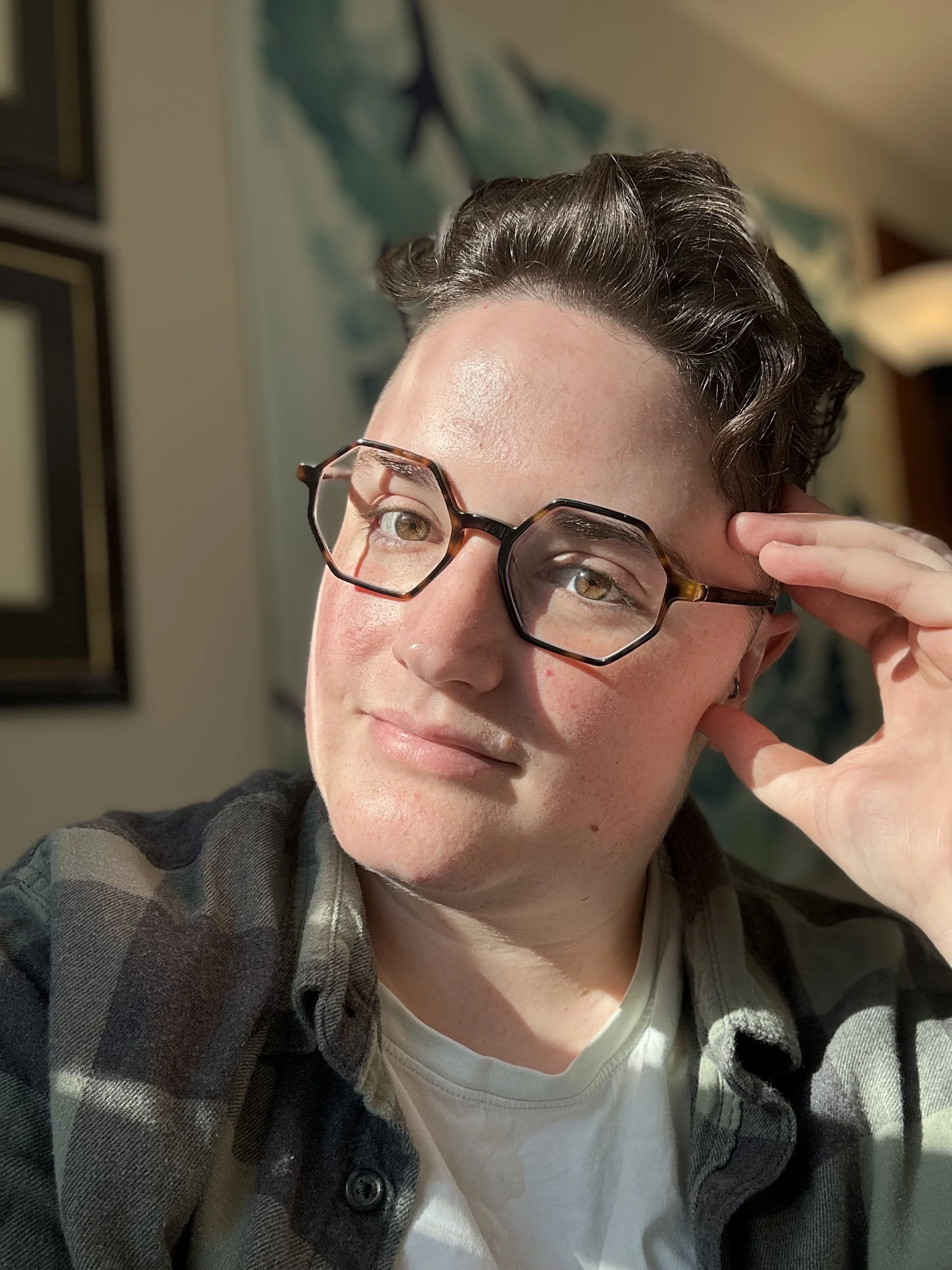


Getting Started Is Easy
01.
Book a free 15–20-minute consultation.
02.
Schedule a time for your first session.
03.
Begin therapy, start healing!
Frequently asked questions
-
At Grove Counseling, we strive to get you started as soon as possible. We understand that seeking therapy can be a big step, and we’re here to support you through it. After your initial consultation, we will work with you to schedule your first appointment at a time that fits your needs. Availability may vary depending on your therapist’s schedule, but we are committed to finding a time that works for you. Reach out today to schedule your consultation and take the first step toward healing and growth!
-
We understand that life happens, and sometimes you may need to miss a session. If you need to cancel or reschedule, we kindly ask for at least 24 hours’ notice so we can offer that time to someone else.
Cancellations made with less than 24 hours’ notice will be subject to a $100 fee. If you’re planning to be away for an extended time (such as a vacation), please let your therapist know in advance so we can plan accordingly.
Thank you for helping us maintain a respectful and supportive scheduling process for everyone.
-
Each therapist sets their own schedule. Please discuss scheduling needs with your individual provider.
-
We have three locations.
Charlotte
5600 77 Center Dr, Suite 245, Charlotte, NC 28217
Winston-Salem
1365 Westgate Center Dr, Suite L1, Winston-Salem, NC 27103
Boone
719 Greenway Rd, Boone, NC 28607
Please check with your provider to ensure you have the correct address

Affirming Trauma Informed Therapy — Because You Deserve to Be Seen, Heard, and Supported.
